Best Sides to Order at a Southern Restaurant in Pittsburgh, PA
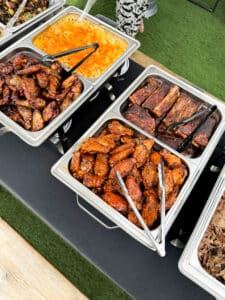
A good Southern meal is rarely carried by the entrée alone. The main plate might get the attention, whether it is fried chicken, catfish, shrimp, ribs, or smothered pork chops, but the sides are where a restaurant shows its hand. They reveal restraint or excess, care or corner-cutting, memory or imitation. At a strong Southern restaurant in Pittsburgh, PA, the side dishes are not filler. They are the meal’s texture, balance, and often its most memorable bite.
That matters even more in a city like Pittsburgh, where diners know hearty food and do not forgive blandness. Rich entrées need sharp contrasts. Crisp fried food needs something soft, creamy, or vinegary beside it. Smoked meat needs a side that can either stand up to it or cool it down. When Southern cooking is done well here, the best side order is not just the thing you tack on because it comes with the combo. It is the decision that makes the whole plate work.
I have learned, after enough meals where one side saved a dish and others where two heavy scoops turned a promising dinner into a slog, that ordering with a little intention pays off. The best choice depends on what you are eating, how hungry you are, and what kind of kitchen you are sitting in. Some sides are almost universal. Others depend on execution. A few are only worth it when the restaurant clearly takes pride in them.
The first thing to understand about Southern sides
Southern side dishes are often humble by design. Greens, beans, cabbage, rice, potatoes, cornmeal, and macaroni all come from traditions that respect thrift, patience, seasoning, and resourcefulness. Because the ingredient lists can look simple, diners sometimes underestimate how much skill is involved. Mac and cheese can be leaden or silk-smooth. Collard greens can taste deeply savory and rounded, or merely salty and tired. Cornbread can be fragrant, toasted, and just sweet enough, or it can crumble into dry yellow dust.
At a Southern restaurant in Pittsburgh, PA, especially one balancing regional authenticity with local tastes, sides are also where adaptation tends to happen. Heat levels may soften a bit. Sweetness might increase. Portion sizes may grow. None of that is automatically bad. The question is whether the kitchen keeps the soul of the dish intact. A side should still taste like something made with purpose, not like an afterthought designed to fill the plate.
Mac and cheese, the side that tells you everything
If I had to judge a Southern kitchen on one side alone, I would start with mac and cheese. Not because it is the most traditional expression of the cuisine in every subregion, but because it reveals the chef’s instincts immediately. You can tell whether the kitchen values texture, salt balance, and heat control within one forkful.
The best restaurant mac and cheese lands somewhere between creamy and structured. It should hold on the spoon but not sit like paste. You want real cheese flavor, not only dairy richness. Sharp cheddar often does the heavy lifting, but a more thoughtful version may bring in smoked cheeses, pepper jack, or a touch of parmesan for depth. If the top has been baked, those browned edges matter. They add contrast and keep the dish from reading as one-note.
Mac and cheese is the side I recommend most often with fried chicken, hot chicken, barbecue, and blackened fish. It is comforting, yes, but that is not the only reason. It acts like a bridge between assertive proteins and more vegetal sides. If you are building a plate with collard greens or slaw, mac and cheese often ties the whole thing together.
There is one trade-off. If your entrée is already heavy, say chicken and waffles or smothered chops with gravy, mac and cheese can push the meal into overload. In those cases, I usually look for something with acid, bitterness, or freshness instead.
Collard greens, when you want depth rather than bulk
A great pot of collard greens tastes slow. That is the simplest way to put it. The leaves should be tender without becoming ragged, and the pot liquor should carry smoke, savory fat, pepper, and a little bitterness in balance. Good greens do not shout. They unfold.
This is the side I order when I want a meal to feel grounded. With fried catfish, collards make perfect sense because they add mineral depth and a slight edge against the crisp crust. With barbecue, they keep the plate from becoming too sweet. With smothered dishes, they provide relief from gravy while still feeling fully part of the same culinary language.
Greens are also one of the easiest places for a restaurant to show whether it cooks from habit or from care. If the collards taste like they were reheated too hard, flattened with salt, or stripped of their broth, skip them next time. If they come glossy, fragrant, and full of character, remember that kitchen. That is usually a sign the rest of the menu has been handled thoughtfully too.
In Pittsburgh, where cold weather can make comfort food especially appealing for much of https://www.google.com/maps?cid=12825594496636542546 the year, collard greens have a different kind of appeal than in hotter climates. They feel restorative. They warm you without weighing you down. That distinction matters.
Candied yams, sweet enough to matter, restrained enough to respect the meal
Candied yams can be one of the best orders on the menu or the fastest route to plate fatigue. The version worth ordering tastes like sweet potato first, glaze second. The slices should be tender and glossy, with butter, brown sugar, and spice supporting the vegetable rather than burying it.
When done right, candied yams bring a soft sweetness that works beautifully with spicy chicken, smoky ribs, or peppery sausage. They can also rescue a plate that leans hard into salt and crunch. I especially like them when the entrée carries real heat, because the sweetness softens the burn without canceling flavor.
The danger comes when a restaurant overdoes the syrup. If the yams arrive cloying and sticky enough to behave like dessert, they flatten the rest of the plate. In that case, one or two bites are plenty, and you find yourself wishing you had ordered greens, cabbage, or beans instead. If you know the restaurant has a light hand, they are a smart order. If not, they are better chosen alongside something leaner and more savory.
Cornbread, deceptively simple and worth paying attention to
Cornbread often gets treated like a free extra, but I never see it that way. At a strong Southern restaurant, cornbread is structural. It sops up juices from greens, catches sauce from barbecue, balances a spicy entrée, and offers textural contrast when the rest of the plate is soft.
The style matters. Some kitchens serve sweeter cornbread with a cake-like crumb, more common in parts of the South and popular with diners who want that honey-butter comfort. Others aim for a more savory, skillet-baked style with crisp edges and a pronounced corn flavor. Neither is automatically superior. The question is whether it fits the meal.
With fried chicken, sweeter cornbread can be a pleasure. With catfish or gumbo, I usually prefer a less sweet version. If the restaurant offers jalapeño cornbread or cornbread muffins made fresh in-house, it is often worth trying once. Cornbread goes stale and sad quickly, so freshness is everything. Warmth matters too. Even a good recipe cannot hide from a basket that has been sitting too long.
Black-eyed peas and red beans, quiet stars on the menu
Beans rarely get top billing in restaurant recommendations, but they deserve more respect. A well-seasoned pot of black-eyed peas or red beans can turn a plate from decent to deeply satisfying. The appeal is not flash. It is steadiness. These sides bring body, earthiness, and enough savory richness to hold their own next to smoked meats or fried seafood.
Black-eyed peas are usually the lighter of the two in feel, though much depends on how they are cooked. They pair especially well with pork, fried chicken, and turkey wings. Red beans, when creamy and well-spiced, are excellent with sausage, rice dishes, or grilled proteins. If rice comes with them, pay attention to whether the grains are separate and properly seasoned, not just a bland base.
One reason I like ordering beans at a Southern restaurant in Pittsburgh, PA is that they often tell you how seriously the kitchen takes its staples. You cannot fake a good pot bean dish at the last minute. It needs time, judgment, and a willingness to taste and adjust.
Fried okra, for people who care about texture
Fried okra divides people, mostly because too many have only had bad okra. Properly cooked, it is crisp, airy, and nutty, with the vegetable’s grassy flavor still intact. Done poorly, it turns greasy or gummy, and then the skeptics feel vindicated.
This is one of the sides I order when I want contrast. If the entrée is soft or saucy, fried okra gives the plate a needed crunch. It works especially well with fish, shrimp, and anything pulled or chopped. I also like it with a vinegar-forward hot sauce on the table, because that little hit of acid sharpens the coating.
The best versions are served immediately, which means they can be a stronger choice for dine-in than takeout. A side of fried okra that sits in a closed container for twenty minutes loses its edge fast. If you are bringing food home, a braised or baked side often travels better.
Cabbage, the underrated side that smart diners order
Cabbage does not get the affection it deserves. In Southern cooking, it can be braised with onion and seasoning until sweet and tender, or it can come chopped and cooked down with enough bite left to keep things lively. Either way, it offers a lighter counterpoint than macaroni, potatoes, or yams.
I often recommend cabbage to people who want a full Southern meal without feeling knocked flat afterward. It plays especially well with smoked sausage, fried fish, and pork. It can also be a good move if you are already getting cornbread or mac and cheese, because it keeps the plate from doubling down on starch.
A well-made cabbage side should taste seasoned, not just softened. Look for pepper, onion, maybe a hint of smoke or vinegar, and enough cooking liquid to keep it succulent. Dry cabbage is one of the saddest sights in soul food service.
Potato salad and slaw, cold sides with an important job
Not every Southern side needs to arrive steaming. In fact, some of the most useful ones are cold. Potato salad and coleslaw provide temperature contrast and bring acidity or creaminess that can reset your palate between bites of rich food.
Potato salad is best when the texture is intentional. The potatoes should not dissolve into mush, and the dressing should carry mustard, mayo, pickle, onion, or egg in a way that tastes composed rather than chaotic. With barbecue, it is one of the smartest side choices because it can absorb sauce and still keep its identity.
Slaw is even more strategic. A vinegar slaw cuts through fried food beautifully. A creamier slaw can cool down spicy chicken or hot catfish without muting seasoning. When diners tell me they find Southern meals too heavy, slaw is one of the first sides I point them toward. It acts almost like a squeeze of lemon on seafood, except it gives you crunch too.
Side pairings that usually work
If you want to build a plate that feels balanced, a few combinations nearly always make sense:
- Fried chicken with mac and cheese plus collard greens
- Catfish with slaw or cabbage plus cornbread
- Barbecue ribs with baked beans or black-eyed peas plus potato salad
- Hot chicken with candied yams plus slaw
- Smothered pork chops with greens plus rice or cornbread
These are not rigid rules. They are starting points. A lot depends on how sweet the sauce is, how spicy the seasoning runs, and whether the kitchen makes one standout side that deserves your attention regardless of pairing logic.
What separates a memorable side from a forgettable one
The strongest side dishes usually get three things right: seasoning, texture, and proportion. Seasoning sounds obvious, but it is not just about salt. It is about whether a dish tastes whole. Greens need depth. Mac and cheese needs enough sharpness to avoid feeling flat. Yams need warmth from spice, not just sugar. Slaw needs enough acid to wake up the rest of the plate.
Texture is where many restaurants lose the plot. Every side should know what it is supposed to be. Creamy does not mean soupy. Tender does not mean collapsed. Crisp does not mean hard. Southern food is often rich, so textural variation matters more than people realize. A plate of soft meats and soft sides can become monotonous, even when each component is technically competent.
Proportion is the final piece. Big portions may look generous, but sides should support the meal, not bury it. A scoop of mac and cheese the size of a softball might sound attractive until it swallows the balance of the plate. Better restaurants understand this instinctively. They give you enough to enjoy the side without reducing everything else to supporting cast.
How to order if you are trying a new place for the first time
At an unfamiliar Southern restaurant, I usually tell people not to chase the most elaborate sides first. Start with the classics that expose the kitchen’s fundamentals. If the restaurant cannot do mac and cheese, greens, slaw, or cornbread well, a more inventive side is unlikely to save the experience.
Use this short test on a first visit:
- Pick one indulgent side and one balancing side
- Ask whether the cornbread is baked in-house that day
- Choose fried sides for dine-in, not for a long ride home
- Let the entrée guide the side, not the other way around
- If the server mentions a side with pride, pay attention
That last point matters. Front-of-house staff often know which sides regulars reorder and which ones come back half-finished. If someone lights up when talking about the greens, the cabbage, or the baked beans, that enthusiasm usually reflects real kitchen strength.
A note on regional expectations and Pittsburgh taste
Southern food is not one monolith. The Carolinas, Mississippi Delta, Louisiana, Tennessee, Georgia, Texas, and Virginia all bring different habits to the table. Some restaurants lean sweet. Some go heavier on smoke. Some use more vinegar, more pepper, more seafood, more rice, or more pork. Pittsburgh diners may walk in expecting one version and find another.
That is not a problem if the cooking is coherent. In fact, it can make ordering sides more interesting. A Louisiana-influenced kitchen may turn out excellent red beans or dirty rice. A Tennessee-style barbecue spot might shine with slaw and baked beans. A soul food restaurant rooted in family tradition may make greens and yams that feel non-negotiable. Rather than looking for one universal standard, it helps to ask what the restaurant is trying to be, then order the sides that support that identity.
The best side is the one that completes the plate
If you force me to name the safest all-around side at a Southern restaurant in Pittsburgh, PA, I would probably say collard greens or mac and cheese, depending on the entrée. Mac and cheese is the crowd-pleaser and the comfort order. Collards are the grown-up move, the side that deepens a plate and keeps it from becoming too blunt. But the smartest order is rarely made in isolation.
Think about contrast. Think about whether you want crunch, creaminess, sweetness, acidity, or smoke. Think about whether you are dining in or carrying out. Fried okra is a better bet fresh. Slaw and potato salad travel well. Cornbread can be wonderful if warm and forgettable if stale. Yams need restraint. Cabbage deserves more attention than it gets. Beans reward patient kitchens.
When Southern food lands, it does not feel trendy or performative. It feels generous, direct, and fully itself. The right side dish is a big reason why. It turns a plate from heavy to balanced, from good to memorable, from something you enjoyed to something you want again next week. If you are heading to a Southern restaurant in Pittsburgh, PA, order your sides with the same care you give the main. That is usually where the meal quietly wins.
Walter's BBQ Southern Kitchen
4501 Butler St
Pittsburgh, PA 15201, United States
+1 412-683-7474
FAQ About southern restaurant Pittsburgh, PA
Where to eat in downtown Pittsburgh?
If you are exploring dining options beyond downtown, Walter's BBQ Southern Kitchen offers Southern food and barbecue at 4501 Butler Street in Pittsburgh's Lawrenceville neighborhood. It is outside downtown, so allow travel time when planning your visit.
What is a must eat in Pittsburgh?
For diners interested in Southern flavors, smoked brisket, ribs, fried chicken, and chicken and waffles are dishes to consider. Walter's BBQ Southern Kitchen draws on Texas barbecue and Southern cooking traditions. Check the current menu for the dishes available during your visit.
What are some of Pittsburgh's unique restaurants?
Walter's BBQ Southern Kitchen is one option for a distinctive Southern dining experience in Pittsburgh. Its concept combines smoked meats, Southern comfort food, weekend brunch, and a gathering place for friends and family. The restaurant is located on Butler Street in Lawrenceville.